What is North Carolina’s August buck season?
A Special Early Season for antlered deer only, held 22 to 23 August in 2026 across the seven counties in the state’s two CWD Management Areas: Cumberland, Forsyth, Sampson, Stokes, Surry, Wilkes and Yadkin. Any lawful weapon is allowed, including on game lands. Baiting is still prohibited in those areas before 1 September. The season was created to move buck harvest earlier and slow the spread of chronic wasting disease.
What the season actually is
North Carolina does not have one statewide deer opener, so an extra two-day season in August is a bigger change than it sounds. The Wildlife Resources Commission created it for the 2026-27 season as part of a package of CWD measures: two days, antlered deer only, any lawful weapon, and it runs on game lands as well as private ground.
The detail that trips people is the word antlered. The digest defines visible antlers as bony structures that protrude through the skin, and it is explicit that knobs or buttons covered by skin or velvet do not count. A spike counts. A button buck does not. That is the whole test, and it is worth being sure before you are looking at a deer in August.
Where it applies
| Area | Counties |
|---|---|
| Northwestern CWD Management Area | Forsyth, Stokes, Surry, Wilkes, Yadkin |
| Southeastern CWD Management Area | Cumberland, Sampson |
| Primary CWD Surveillance Area | Edgecombe. Restricted, but no special early season |
| Secondary CWD Surveillance Areas | Halifax, Martin, Pitt. Restricted, but no special early season |
The distinction matters. The restrictions on feeding, baiting and natural scents apply to both the management areas and the surveillance areas, but the August season exists only in the two management areas. The Commission’s own area map is the source to check, because counties get added when new positives are confirmed.
The rules that come with it
- Antlered deer only. No does, no button bucks. The season is a buck harvest tool, and that is the point of it.
- Any lawful weapon, including on game lands. This is not an archery-only season. Whatever is legal in the applicable season is legal here.
- No bait before 1 September. In the CWD areas, baiting deer is legal from 1 September to 1 January, which means it is not legal during the August season.
- No minerals or salt to congregate wildlife. Prohibited in both management and surveillance areas, year round.
- No natural deer urine or gland products. Any substance containing cervid excretion, including your own from a deer you killed, is prohibited in these areas. Synthetic products, urine from a licensed North Carolina farmed cervid facility, and products enrolled in the Responsible Hunting Scent Association’s Deer Protection Program are the exceptions.
- Reporting does not change. Validate the harvest report card before moving the deer, then register it before it is skinned, left unattended, handed off, or noon the following day.
Why the state created it
This is the part worth reading twice, because it explains every other rule in this post. The Commission’s deer biologist April Boggs Pope put it directly: the new regulations are expected to “move buck harvest to earlier in the season, which can help reduce the spread of CWD by decreasing the dispersal of young bucks and the amount of contact that bucks have with other deer as the rut begins.”
In plain terms, young bucks disperse in autumn and bucks mix widely once the rut starts. Harvest them earlier and you remove some of that movement before it happens. The same reasoning sits behind the one-week-earlier blackpowder and gun openers in the Northwestern area, where blackpowder starts 31 October and gun starts 14 November instead of the following week.
North Carolina confirmed its first CWD case in March 2022 and has tested nearly 100,000 deer since. Prevalence is still low, and the agency’s position is that action taken now, while the disease is in isolated pockets, does more than action taken later. Wildlife health biologist Miranda Turner: “The best time to act to reduce the spread of CWD is when prevalence is low and while the disease is found in isolated locations.”
What the hunt looked like
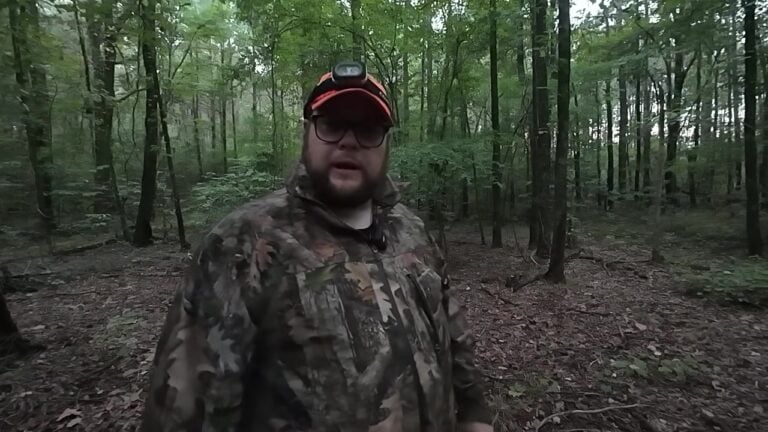
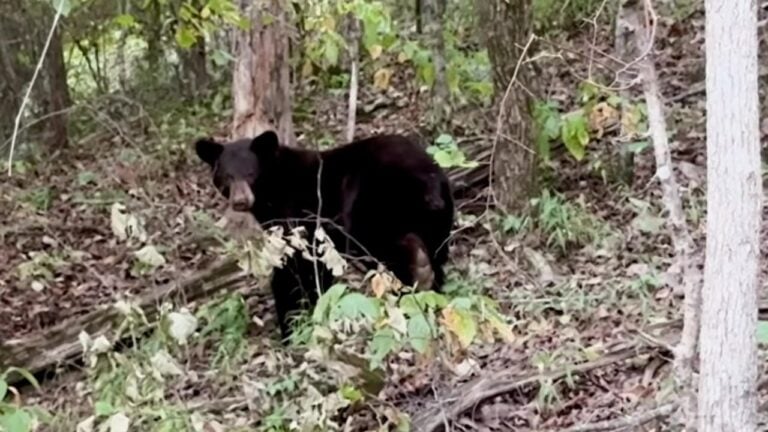
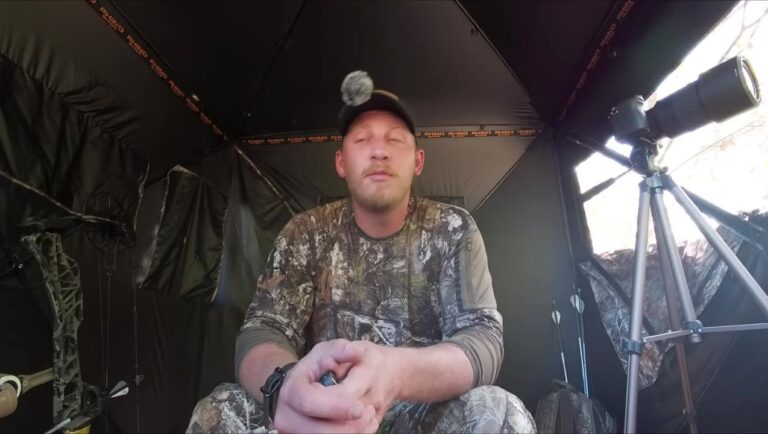
Episode 005 covers it from the inside. The episode calls it North Carolina’s first buck-only hunt, and describes the practical constraint that comes with a two-day season: two days on the calendar and only one of them available to hunt.
John Ward and Jonathan Lundquist had nothing come through all morning. Then the evening set turned it around at point-blank range, behind a tree, with the shot coming together in seconds: “I was able to zoom out to not only get the camera on him, but then pull up and get him in scope and take the shot.” His summary afterwards was shorter than mine would have been: “That’s, I don’t know what else to say. Wow.”
That is what a two-day season actually is. You get one sit, maybe two, and the whole thing turns on a decision made in about three seconds.
FAQ: North Carolina’s early buck season
When is North Carolina’s August deer season?
The Special Early Season ran 22 to 23 August in 2026. It was created for the 2026-27 season, so the dates are not yet a long-standing tradition, and the season dates should be confirmed in the current regulations digest each year rather than assumed.
Which counties have the early antlered season?
The seven counties in the two CWD Management Areas: Cumberland, Forsyth, Sampson, Stokes, Surry, Wilkes and Yadkin. Edgecombe, Halifax, Martin and Pitt carry CWD restrictions but are surveillance areas, not management areas, and the August season does not apply there.
Can you shoot a doe in the August season?
No. It is antlered deer only, meaning animals with antlers or spikes protruding through the skin. A button buck with knobs covered by skin or velvet does not qualify.
Can you bait during North Carolina’s August season?
No. In the CWD Management and Surveillance Areas, baiting deer is legal from 1 September to 1 January, so August is excluded. Minerals and salt placed to congregate wildlife are prohibited in those areas all year, and natural deer urine and gland products are prohibited as well.
Keep reading
If you are hunting ground you do not own, Field Link is where members find landowners, outfitters and hunters who have actually been there.
- Where a Deer Carcass Goes in North Carolina, the disposal rule that came in the same package of CWD measures
- Arkansas Bear Hunting, for another state where the CWD zone changes the rules
- Tennessee’s Deer Bait Privilege License, a baiting rule written around CWD counties