Where does a deer carcass go in North Carolina?
One of three places: a lined landfill, a hole at least three feet deep and 300 feet from a waterbody, or lawfully left on the ground in the county where the deer was killed. That rule is new for the 2026-27 season and it applies statewide, to every deer, whether you dispose of it yourself or a processor or taxidermist does it for you. Roadsides, waterways and somebody else’s property without permission are all out.
What changed this season
Before 2026, North Carolina regulated what you could move out of a Chronic Wasting Disease Surveillance Area or Management Area. That transport rule is gone. In its place is a single disposal requirement that covers the whole state, described by the Wildlife Resources Commission as applying to the final disposition of non-edible portions of cervid carcasses and carcass parts originating from North Carolina. It is set out in full on the Commission’s CWD resources page.
That change matters because it follows the parts, not the hunter. The old rule asked where the animal came from. The new one asks where the remains ended up, and it does not care who carried them there.
The three legal methods
| Method | What it means in practice |
|---|---|
| Lined landfill | Double bag the remains and take them to the closest lined landfill. Local policies vary, so call the landfill or your solid waste provider first |
| Burial | At least three feet below ground and 300 feet from a waterbody. The Commission recommends burying on the property where the deer was taken whenever you can |
| Left on the ground | Lawfully left within the county of origin. It does not stop scavengers or other deer contacting the remains, but it keeps the material in the county where it came from |
The three methods are quoted from the Commission’s own disposal page and the 2026-27 regulations digest, which use identical language. Worth reading the second half of that sentence again: lawfully left on the ground in the county of origin. County ordinances, property rules and common sense still apply on top of it.
Who is responsible
This is the part that catches people who never touch a carcass. The rule names the hunter, the taxidermist, the meat processor and the trash service. If you drop a deer at a processor and drive away, the disposal requirement travels with the remains, and the Commission states plainly that hunters, taxidermists and processors are all responsible for disposing of deer carcasses after harvest in a safe and responsible manner.
It also rules out the two things people actually do. Disposing of deer remains on roadsides or in waterways is illegal in North Carolina. So is leaving them on property you do not own or lease, unless you have permission and it is not otherwise restricted.
Bringing a deer in from out of state
Import restrictions were not relaxed when the transport rules changed. You cannot bring a cervid carcass or carcass parts into North Carolina from outside the state except for a specific list: meat boned out so that no bone fragments remain, caped hides with no skull or spinal column attached, antlers or cleaned skull plates or skulls with no meat or brain tissue, cleaned jawbones or teeth, and finished taxidermy or tanned hides.
Those parts, or the containers they travel in, have to be labelled with your name and address, the state or province or country of origin, the date the animal was killed, and your licence or permit number from that jurisdiction. The list of cervids is wider than deer: white-tailed deer, mule deer, elk, moose, caribou, red deer, sika, axis and fallow deer all fall under it.
Why the rule exists
Chronic Wasting Disease spreads through infected saliva, urine and faeces, and through the movement of infected carcasses and carcass parts. It also persists in soil, vegetation and water. A deer that looks healthy can be infected and still contaminate ground it is dumped on, which is the whole reason the rule follows the parts rather than the hunter.
North Carolina confirmed its first case in March 2022 and has since tested nearly 100,000 deer. Cases remain low, and the Commission’s own framing is that the best time to act is while prevalence is low and the disease is still in isolated locations. CWD testing is free through drop-off freezers around the state and through participating processors and taxidermists, and there is no mandatory sampling this season.
What it looks like after a North Carolina buck
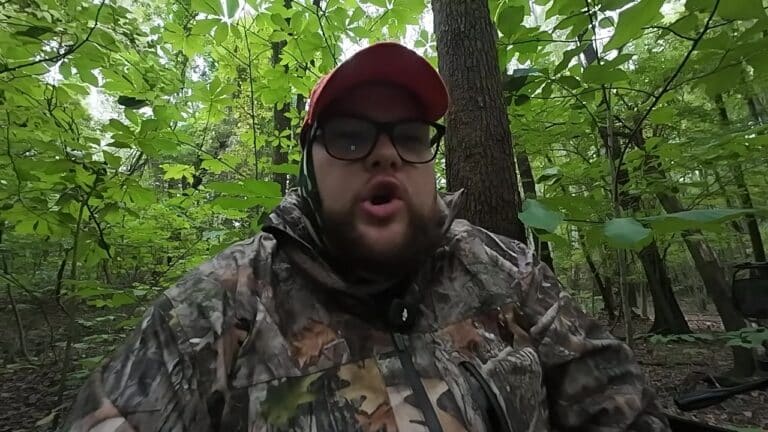
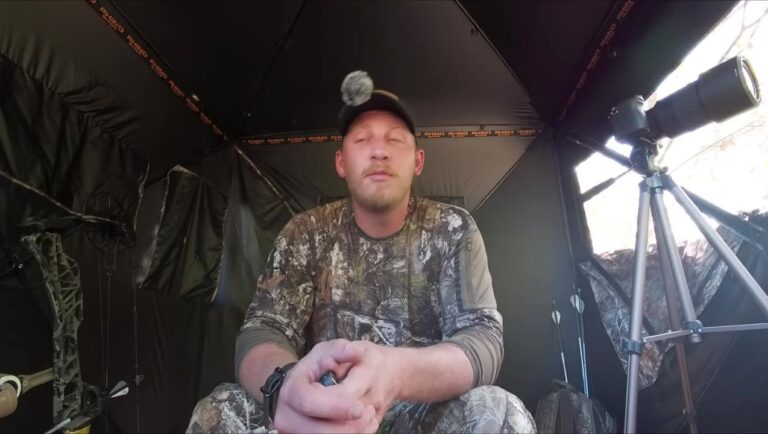
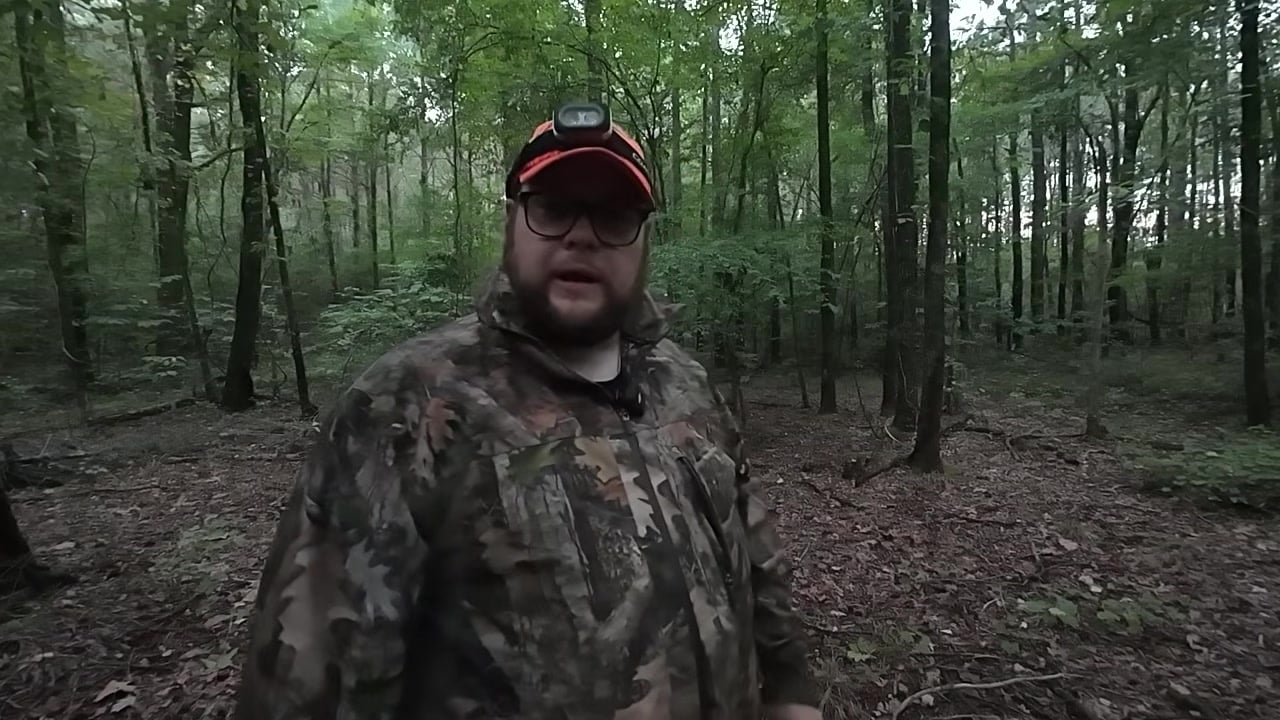
The North Carolina segment of Episode 005 is a good picture of how quickly the question arrives. John Ward and Jonathan Lundquist were hunting the state’s first buck-only season, with two days on the calendar and only one of them available to hunt. Nothing came through all morning. Then, in the evening set, a buck crossed at point-blank range, behind a tree, and the shot came together in about three seconds: “I was able to zoom out to not only get the camera on him, but then pull up and get him in scope and take the shot.”
From there the deer still has to be validated, registered, and eventually disposed of, and on public ground in that county the disposal rule applies to whatever is left. If you have not scouted where the remains are going before you pull the trigger, you are deciding it at nine at night with a headlamp and a phone in your hand.
FAQ: North Carolina deer carcass rules
Can I leave a deer carcass in the woods in North Carolina?
Yes, if you leave it on the ground within the county where the deer was killed and you are otherwise lawful doing so. It is one of the three permitted methods. What is not allowed is dumping remains on roadsides, in waterways, or on property you do not own or lease without permission.
How deep do I have to bury a deer carcass in NC?
At least three feet below ground, and at least 300 feet from a waterbody. The Commission recommends burying the deer on the property where it was harvested when that is possible.
Does the disposal rule apply if a processor takes the carcass?
Yes. The rule covers the final disposition whether it is done directly by the hunter or indirectly when hunters use a processor, taxidermist or trash service. The Commission states that hunters, taxidermists and processors are all responsible for proper disposal.
Do I have to report a deer before I move it in North Carolina?
You have to validate your Big Game Harvest Report Card, paper or electronic, before moving the animal from the site of the kill. Then it must be registered before it is skinned or dismembered, left unattended, handed to another person, or noon the day after the harvest, whichever comes first. Registration is through the Go Outdoors North Carolina app, 800-I-GOT-ONE, the website, or a wildlife service agent.
Keep reading
If you are hunting ground you do not own, Field Link is where members find landowners, outfitters and hunters who have actually been there.
- Arkansas Bear Hunting, where the baiting rules change inside the CWD zone
- Tennessee’s Deer Bait Privilege License, another rule written specifically around CWD counties
- How to Get Access to Private Land, because where the deer falls decides where the carcass has to go