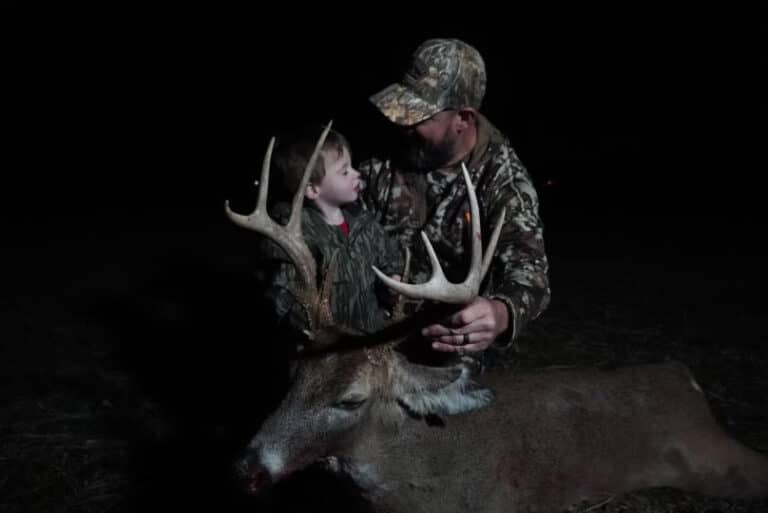
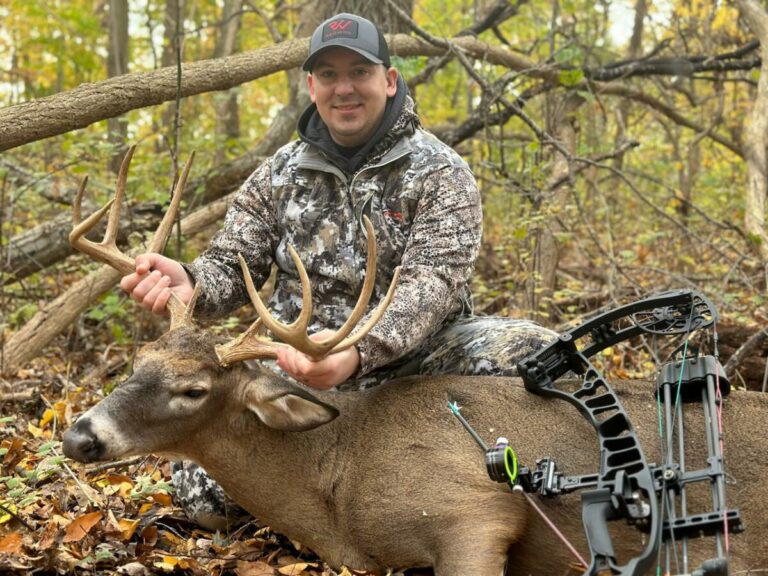
How does a Florida quota hunt work?
A quota hunt is a limited-entry permit for one wildlife management area and one window, drawn rather than bought. You apply, you draw, and then the work that actually decides the hunt begins: scouting ground you may never have hunted, on a clock that stops when the permit does. FWC sets the areas, the windows and the rules, so check their limited entry pages for the current schedule before you plan anything.
What a Florida quota hunt actually is
Florida’s quota hunts exist to keep pressure down on specific wildlife management areas. Instead of everyone showing up on opening day, a set number of hunters get a permit for a named area and a named window. The permit is issued by drawing, not by buying a tag over the counter, and the permit itself is only the entry ticket.
What that means in practice is that a quota hunt is a scouting problem wearing a permit. On private land you can hunt the same farm for years and learn it slowly. On a drawn tag you get a place you may have driven past twice and a date you did not choose, which is why the hunters who do well on these tags are the ones who started walking the ground the day the draw posted.
Why scouting matters more on a drawn tag
Every hunt has two clocks. The first is the season. The second is your own learning curve, and on a quota hunt those two clocks are much closer together than usual.
You cannot spend a season figuring out where the deer move, because you may only get a handful of sits. What you can do is turn the time before the season into the information you would normally gather during it: where the sign is, what the deer are eating, and which specific animal is worth arranging your hunt around. That is why trail cameras do so much work on a drawn tag. They answer questions about a property you do not get to watch in person.
Scouting a drawn tag: what Omar did
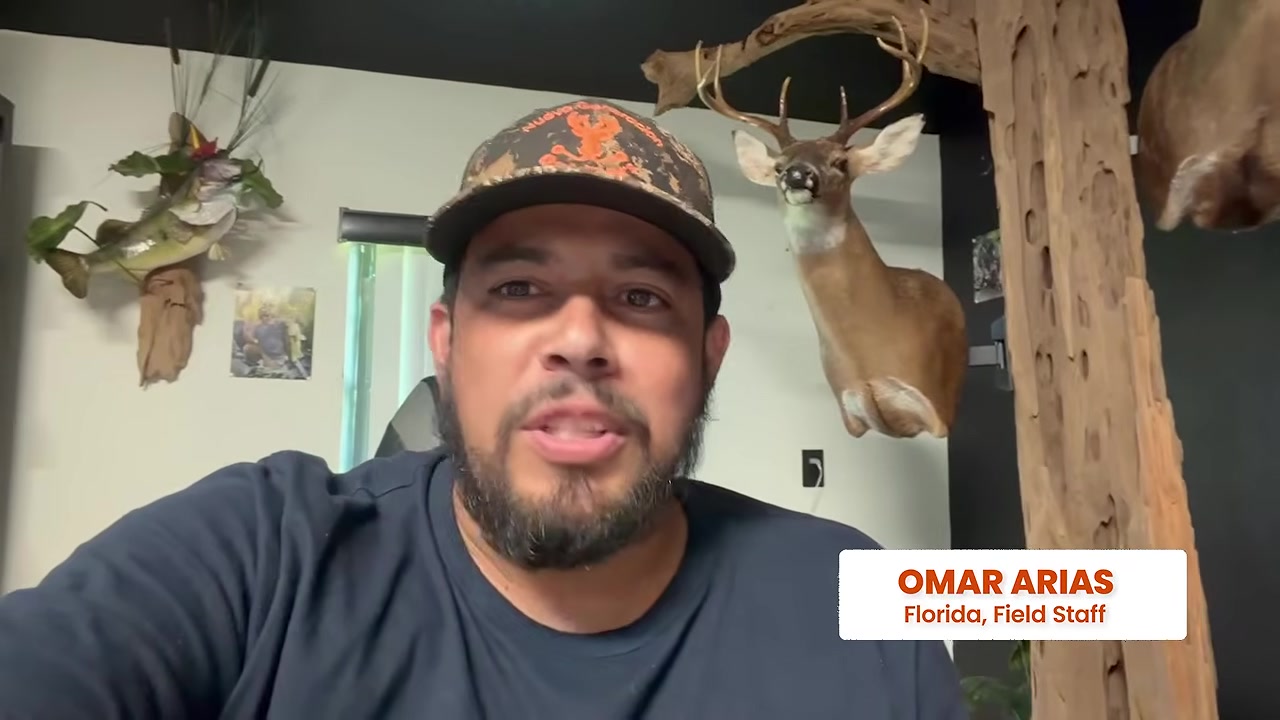
Omar Arias drew a Florida quota hunt as a guest and tells the whole sequence on camera in Episode 001. His scouting run is a clean example of the order that works: walk it, narrow it, camera it, then get out and leave it alone.
| When | What he did | Why it mattered |
|---|---|---|
| Before season | Walked the property and marked spots worth hunting | Turned unfamiliar ground into a short list |
| A few days later | Hung trail cameras on those spots | Pictures of a buck he did not know was there |
| Same week | Noticed the buck coming back to the same camera | A pattern, not a one-off picture |
| That visit | Set his backpack down at the camera site | The buck came out, smelled it, and did not like it |
| Next month | Did not see the deer at all | One careless object reset the whole plan |
| Season, day two | The buck showed up on another camera | Knew which spots were live again |
The detail worth stealing is the backpack. He put his gear down near a camera, the buck stepped out, sniffed where it had been and did not like it. Omar describes what happened next: “he didn’t like it. I didn’t see much in the video. The video kind of cut off and all while it was happening, but I felt like he was about to start, you know, like stomping his feet.” Then he adds the part that costs seasons: “after that he disappeared for over a month.” You can watch that moment at 16:33.
One backpack is not a scent-control failure in the usual sense. It is worse: it is a change to a place the deer already trusted. On ground you have only just met, the only thing you own is the deer’s routine, and you can lose it in an afternoon.
What happened on the hunt
The season did not open with a deer on the ground. Day one produced very little. On day two the buck turned up on one of the cameras, and the hunt changed shape: “that’s when, you know, we knew it was game on from there. We had to find him.” He started hunting different spots rather than sitting the same one and hoping.
The actual encounter was not a long, clean approach. It was a shape at the edge of his vision: “next thing I knew, in the corner of my eye I saw a doe or a buck. I wasn’t sure. I just saw the hind legs.” You can pick that up at 17:03.
What he remembers is the family showing up: “everybody the whole family decided on, you know, come out and show their support. They wanted to come see the deer. To be honest, it was awesome, man. It was so great. It was the best time in my life.” That is the whole argument for a drawn tag. The permit cost him an application. The memory cost him a month of scouting.
Why he called it a once-in-a-lifetime buck
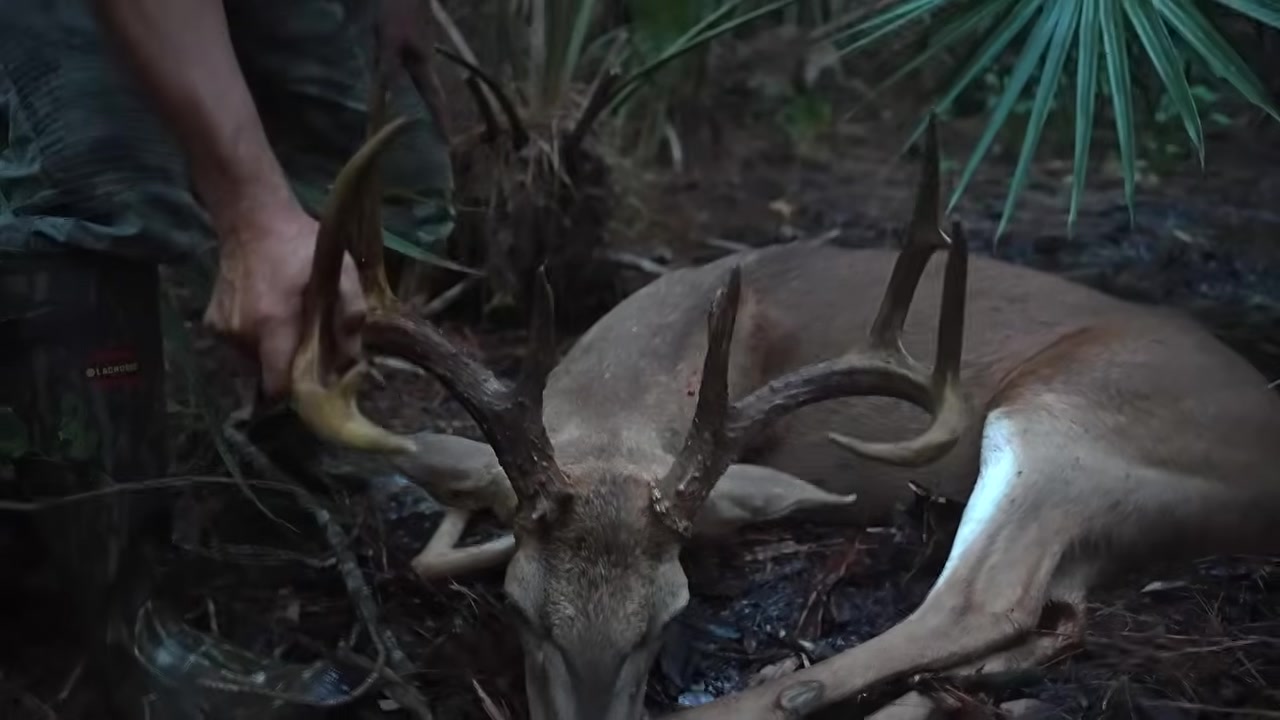
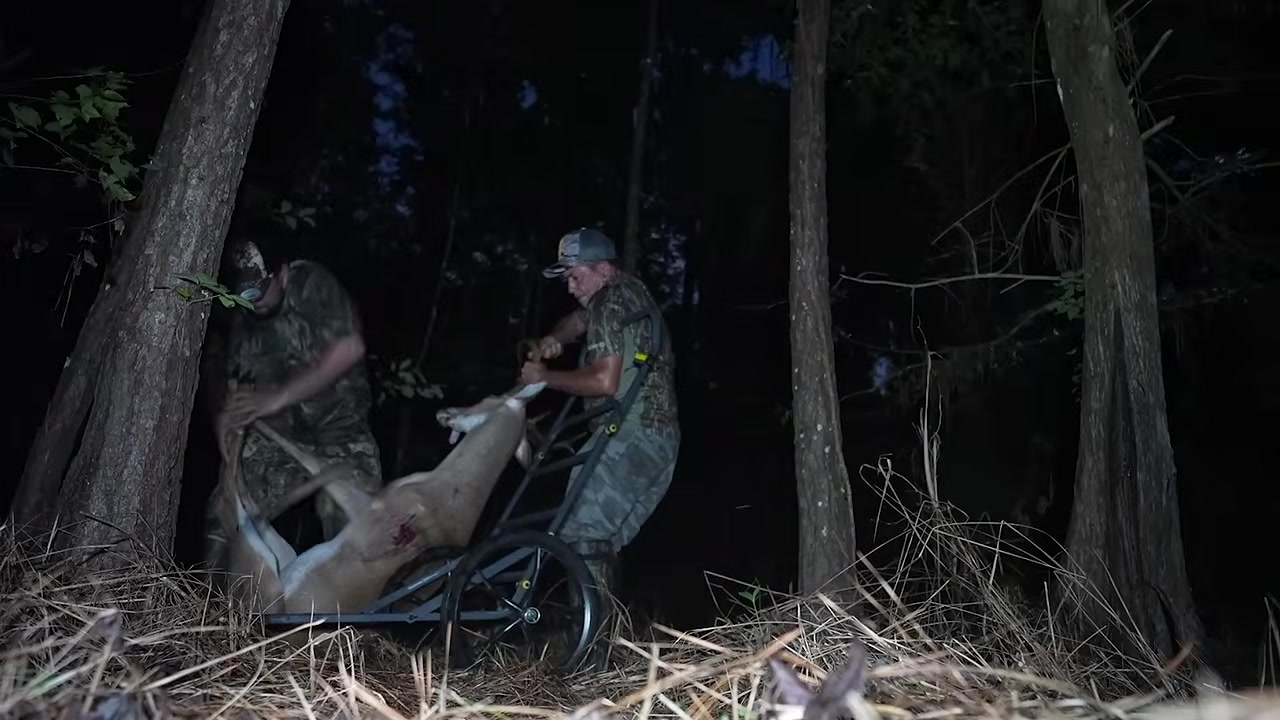
Omar’s own words about the deer are the reason this hunt is worth writing down: “never in my craziest dreams I was going to think I was going to be able to come across a buck like this one. This is a one-time in a lifetime buck, you know, for here for Florida. Florida deers don’t get that big.”
Treat that as a hunter describing his own state, not as a rule about Florida deer. What it does tell you is the standard he was measuring against: on a quota hunt, the animal you are scouting for is not the average deer on the property. It is the one the cameras keep showing, and the reason to sort your spots early is so you know which one that is before the season starts.
They named him Rameado, which Omar translates from Spanish as “branches,” for what was on his head. Naming a deer is usually a bad sign for the deer.
Watch the full episode
Episode 001 follows six hunters in four states. The Florida quota hunt runs from 15:27.
- 0:00 Sixteen hunters, across the country
- 15:27 Florida: the quota hunt and the buck on camera
- 16:33 The backpack, and the month the deer disappeared
- 17:03 The buck in the corner of his eye
FAQ: Florida quota hunts
How do you get a Florida quota hunt?
You apply for a limited-entry permit through FWC and hope the draw goes your way. The application windows, the areas and the permit requirements change by season and by area, so the only reliable source is FWC’s own limited entry pages. Apply early enough to plan scouting around a yes.
Do you need a guide for a quota hunt?
No. The hunter in this episode scouted the property himself, hung his own cameras and hunted his own spots. What he needed was time on the ground before the season, not a guide.
How early should you scout a drawn tag?
As soon as the draw posts. The sequence that worked here was walk the ground, pick the spots, camera the spots, then stay out. Leaving a month between your last camera check and the season is not wasted time; it is the deer settling back into a routine you can hunt.
What should you do differently on public ground?
Keep your footprint small and your gear off the ground where deer will smell it. On land other people use, the deer already have a reason to be careful. The less you add to that, the more of their routine you get to keep.
Keep reading
- Public Land Swamp Hunting Journey, hunting ground that fights back
- Small Property, Big Plans, making a little ground hunt bigger
- The beginner’s guide to scouting, the basics before you hang a camera
- Field Link, where the hunters in this episode found each other
Every hunter in Episode 001 is on Field Link, the Cervicide directory that connects members across state lines for hunts, ground and partners. If you drew a tag in a state you do not know, that is where you start looking for someone who does.